
Most people planning a trip to Nepal have already heard of Everest Base Camp or the Annapurna Circuit. Fair enough — they’re famous for a reason. But somewhere north of Kathmandu, tucked between glaciated peaks and thick rhododendron forest, there’s a valley that quietly does everything those bigger names do, minus the crowds and the queues at teahouses. That’s Langtang.
The Langtang Valley Trek is often the trek people wish someone had told them about sooner. You get dramatic mountain scenery, glaciers that seem close enough to touch, alpine lakes, and Tamang villages where life hasn’t changed all that much in decades — all within a few hours’ drive of the capital. It’s shorter than the big-name treks and gentler on your schedule, and yet it doesn’t skimp on the “wow” factor.
For those who want more, the region doesn’t stop at the valley floor. You can stretch the adventure into the Langtang Gosaikunda Trek, crossing a high pass to reach a sacred alpine lake. If you’re chasing something with a bit more adrenaline, Langtang Yala Peak Climbing gives first-time mountaineers a real, snow-capped summit to aim for. And if sunrise views are your thing, the Tsergo Ri Trek delivers arguably the best panorama in the whole region.
This guide walks through all four options — what they involve, who they suit, and how to decide which one (or which combination) fits your trip.
Why the Langtang Region Is One of Nepal’s Most Rewarding Trekking Destinations
Ask a guide who’s worked both Everest and Langtang which region they’d recommend to a friend, and you’ll often get a surprising answer. Langtang has this reputation as the “quieter cousin,” but that undersells it a bit.
Read More : Everest Three High Passes Trek A Sherpa’s Guide to the Adventure of a Lifetime
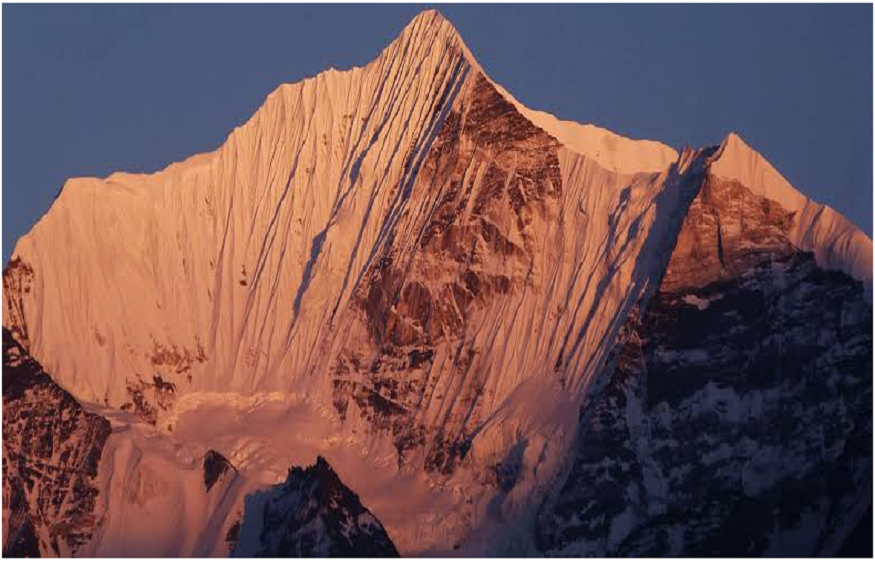
For starters, it’s ridiculously accessible. A jeep ride of six to eight hours from Kathmandu — or a short flight plus a drive — gets you to the trailhead; no domestic flight delays to worry about like you’d get flying into Lukla. The scenery holds its own too: Langtang Lirung towers over the valley at over 7,200 meters, and the walk-in takes you through forest, waterfalls, and yak pasture before the peaks even come fully into view.
Culturally, this is Tamang and Tibetan-influenced territory, and it shows in the architecture, the prayer flags strung across every ridge, and the food. Teahouses here are simple but genuinely warm, run by families who’ve rebuilt after the 2015 earthquake with a kind of resilience that’s hard not to admire. And because fewer trekkers make it out this way, trails feel personal rather than crowded. Whether you’re eyeing the classic valley walk, the Gosaikunda extension, a shot at Yala Peak, or the Tsergo Ri viewpoint, you’re looking at excellent value for the experience you get.
Langtang Valley Trek – Nepal’s Classic Himalayan Journey
The standard route starts at Syabrubesi, following the Langtang Khola upstream through dense forest before the valley opens up into wide, glacier-carved terrain. Most itineraries run seven to ten days round trip, including a couple of acclimatization stops, and it’s generally considered moderate — doable by anyone with decent fitness and a bit of trekking experience; no technical skills required.
You’ll walk five to six hours on most days, gaining altitude steadily rather than all at once, which helps a lot with acclimatization. The trail passes through Lama Hotel and Langtang village (rebuilt after the earthquake and worth pausing at for that reason alone) before reaching Kyanjin Gompa at around 3,870 meters — the unofficial capital of the valley and home to a centuries-old monastery and a cheese factory that’s become something of a local institution.
From Kyanjin Gompa, side trips branch out toward the Langtang Glacier and nearby ridgelines, with Langtang Lirung dominating the skyline the entire time. The maximum altitude on the standard route sits around 4,300–4,900 meters depending on which viewpoints you add. What makes the Langtang Valley Trek stand out isn’t just the mountains — it’s the rhythm of the walk itself: forest, then farmland, then high alpine terrain, all within a handful of days.
What Makes the Tsergo Ri Trek the Best Viewpoint in Langtang?
If there’s one add-on almost every guide will push you toward, it’s this one. Tsergo Ri sits at roughly 4,984 meters, a demanding but non-technical climb from Kyanjin Gompa that rewards you with one of the widest mountain panoramas in Nepal.
It’s a tough half-day out and back — steep, thin air, and an early start if you want the sunrise. But trekkers who’ve done it will tell you it’s worth setting an alarm for 4 a.m. From the top, you get Langtang Lirung close enough to feel its scale, Dorje Lakpa rising sharp to the east, and Yala Peak visible across the valley, with glaciers spilling down between them in every direction. Many people who complete the Langtang Valley Trek actually name Tsergo Ri, not Kyanjin Gompa itself, as the real highlight of the whole trip — that first light hitting the ice fields is hard to beat.
Langtang Gosaikunda Trek – Combining Valleys, Sacred Lakes and High Passes
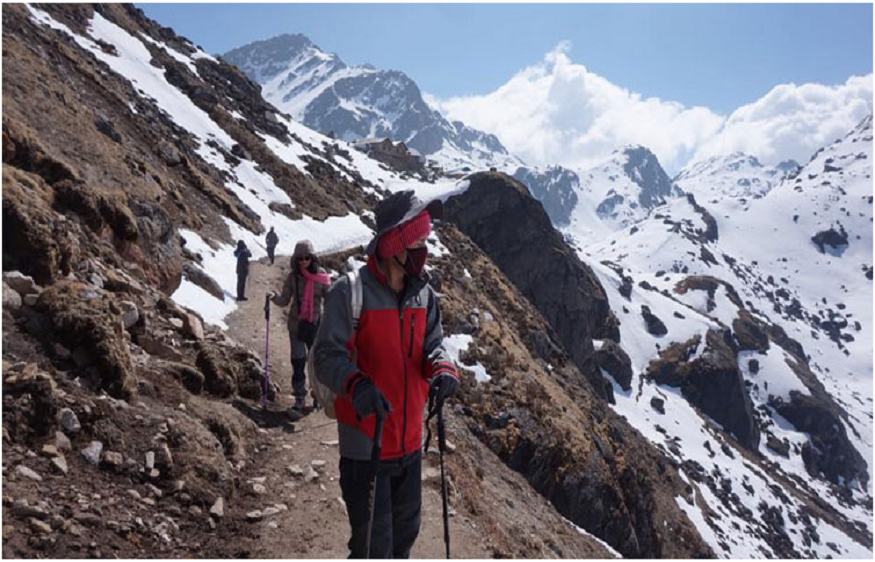
For trekkers wanting something longer and a little more varied, the Langtang Gosaikunda Trek links the valley walk with a crossing over the Lauribina Pass at around 4,610 meters, descending toward the sacred lake of Gosaikunda.
Gosaikunda itself is a big deal for Hindu pilgrims, who believe the lake was created by Lord Shiva — thousands make the journey each August during the Janai Purnima festival. Beyond the religious significance, the scenery along this route shifts constantly: dense rhododendron forest gives way to alpine meadow, then rocky high-altitude terrain dotted with smaller lakes, before dropping back through forest toward Helambu or Dhunche, depending on your exit route.
Expect twelve to fifteen days total if combining both the valley and the lakes, with a difficulty level a notch above the standard Langtang Valley Trek because of the pass crossing and sustained high-altitude walking. This one suits trekkers who’ve already got a multi-day trek or two under their belt and want something with more variety — different villages, a different ecosystem, and a genuinely different feel from the glacier-focused valley trek.
Langtang Yala Peak Climbing – A Perfect Introduction to Himalayan Mountaineering
For those who want to go beyond trekking altogether, Yala Peak — sitting at 5,732 meters — is often cited as one of the best beginner-friendly climbs in Nepal. It’s classified as a “trekking peak,” which sounds casual, but don’t let that fool you; it still demands proper preparation.
Technically, it’s nontechnical in the mountaineering sense — no serious rock climbing — but you will need to use crampons, an ice axe, and a fixed rope on the summit push, so basic training beforehand (or a guide who walks you through it on-site) makes a real difference. Previous trekking experience at altitude is recommended, though prior climbing experience isn’t strictly required if you’re going with an experienced climbing guide and a reputable outfit.
A typical itinerary tacks the climb onto the standard Langtang Valley Trek route, using Kyanjin Gompa as a base camp before pushing up to a high camp and then the summit. Summit day is long, cold, and genuinely rewarding — the views stretch across the entire Langtang range and beyond. It’s become something of a rite of passage for trekkers wanting a taste of real mountaineering without committing to a full expedition peak, and the training value alone — rope work, crampon use, glacier travel — makes it a smart stepping stone toward bigger objectives later on.
Best Time for the Langtang Valley Trek, Langtang Gosaikunda Trek and Yala Peak Climbing
Spring (March–May) brings blooming rhododendron forests, milder temperatures, and generally clear morning skies — great for both trekking and the Yala Peak climb, though afternoon clouds can roll in.
Autumn (September–November) is the favorite for most people, and it’s easy to see why: stable weather, sharp mountain visibility, and the added bonus of catching local festivals along the way. This is peak season for the Langtang Valley Trek, Langtang Gosaikunda Trek, and Langtang Yala Peak Climbing alike.
Winter (December–February) turns the valley into a quieter, snow-dusted version of itself. Fewer trekkers, colder nights, and some higher passes may be tricky or closed, but the scenery has a stark beauty to it.
Monsoon (June–August) is generally best avoided — rain, leeches, and landslide risk make trails harder going, though the lower valley does turn impressively green if you don’t mind the wet.
Culture, Villages and Everyday Life Along the Langtang Trails
What sticks with a lot of people after the Langtang Valley trek isn’t just the mountains — it’s the villages. Tamang communities here have deep Tibetan Buddhist roots, and you’ll notice it in the chortens and prayer wheels lining the trail and in monasteries tucked into hillsides at Langtang village and Kyanjin Gompa.
Yak herding is still very much a way of life, and the cheese factory at Kyanjin (established decades ago with Swiss assistance) remains a point of local pride. Meals along the way lean heavily on dal bhat, potatoes, and hearty soups — simple, filling food that makes sense at altitude. What’s genuinely moving, though, is watching how thoroughly this region has rebuilt since the 2015 earthquake, which hit Langtang village particularly hard. The hospitality you find now feels earned rather than performed.
Wildlife and Natural Beauty You Will Experience
The trek runs entirely through Langtang National Park, and the biodiversity here is no joke. Red pandas live in the forested lower valley, though sightings are rare and lucky. Himalayan black bears, musk deer, and a long list of high-altitude bird species also call this park home.
Lower down, you’ll pass through thick rhododendron forest that turns the hillsides pink and red come spring. Higher up, it’s rivers fed by glacial melt, open alpine meadows, and the glaciers themselves creeping down from peaks like Langtang Lirung. All of it adds texture to the Langtang Valley Trek that you don’t always get on busier routes — there’s a real sense of walking through a living ecosystem, not just a corridor to a viewpoint.
Is the Langtang Valley Trek Right for You?
It really depends on what kind of trekker you are. Beginners and families tend to do well on the standard Langtang Valley Trek — it’s shorter, altitude gain is gradual, and teahouses along the way are comfortable. Solo trekkers often appreciate how social the trail feels without being overcrowded.
Experienced hikers looking for more distance and variety should look at the Langtang Gosaikunda Trek, while those wanting an actual summit and some mountaineering skills under their belt should set their sights on Langtang Yala Peak Climbing. Adventure photographers and anyone chasing that perfect sunrise shot shouldn’t skip the Tsergo Ri Trek — it’s a short add-on with an outsized payoff. Nature lovers, meanwhile, will find something to love in all four options, since the wildlife and scenery run through every route.
Practical Planning Tips Before You Go
You’ll need a Langtang National Park entry permit and a TIMS card, both of which your trekking agency can usually arrange. Accommodation is teahouse-based throughout — simple rooms, shared bathrooms lower down, and increasingly basic the higher you climb. Meals are available at every stop, though prices rise with altitude.
Wifi and charging are generally available for a small fee, but don’t count on fast connections above Langtang village. Bottled water gets expensive and creates plastic waste, so a filter or purification tablets are worth packing. Bring layered clothing, a good sleeping bag, and proper footwear — and take altitude sickness seriously; even the standard valley trek reaches heights where it can hit unexpectedly. A licensed guide is recommended for the whole family of Langtang routes and mandatory for Yala Peak. Travel insurance covering high-altitude trekking and rescue is non-negotiable, and it’s smart to carry enough cash, since ATMs disappear once you leave Kathmandu.
Conclusion – Why Langtang Should Be Your Next Himalayan Adventure
Whichever route you end up choosing, Langtang has a way of delivering more than people expect from it. Maybe that’s the peaceful, glacier-fringed walk of the standard Langtang Valley Trek. Maybe it’s the longer, pass-crossing adventure of the Langtang Gosaikunda Trek or the genuine mountaineering challenge of Langtang Yala Peak Climbing. Or maybe it’s simply that pre-dawn scramble up to Tsergo Ri, watching the first light hit Langtang Lirung. Whatever draws you in, this is a region that rewards the effort with scenery, culture, and a kind of quiet that’s getting harder to find elsewhere in Nepal — and those are the memories that tend to stick around long after the flight home.
Frequently Asked Questions
1. How difficult is the Langtang Valley Trek for beginners?
It’s considered moderate and genuinely approachable for first-time trekkers with reasonable fitness. Expect five to six hours of walking on most days, with altitude gain spread out enough to allow proper acclimatization. No technical skills are needed, though a bit of hiking experience beforehand makes the higher days more comfortable.
2. Is the Tsergo Ri Trek worth adding to the Langtang Valley Trek itinerary?
Yes, and most guides will tell you the same. It’s a steep, early-morning add-on from Kyanjin Gompa, but the payoff — sunrise over Langtang Lirung, Dorje Lakpa, and Yala Peak from nearly 5,000 meters — is what a lot of trekkers remember most from the whole trip.
3. What is the difference between the Langtang Valley Trek and the Langtang Gosaikunda Trek?
The valley trek is shorter, tops out around 4,300–4,900 meters, and focuses on glacier and mountain scenery. The Gosaikunda trek extends that journey over a high pass to a sacred alpine lake, adding several days, more altitude exposure, and a noticeably different landscape along the way.
4. Do I need climbing experience for Langtang Yala Peak Climbing?
Not necessarily, though prior trekking at altitude helps a lot. Yala Peak is often used as a first mountaineering objective, and with a qualified climbing guide, proper gear, and some basic training on crampons and rope use, motivated beginners can take it on.
Read More : Climb Manaslu and trek to Ghorepani: The Extreme Nepal Adventure:
5. When is the best time to do the Langtang Valley Trek and Langtang Yala Peak climb?
Autumn (September to November) is the top pick for both, thanks to stable weather and clear mountain views. Spring (March to May) runs a close second, with blooming rhododendrons as a bonus, though afternoon cloud cover is a bit more common.