
I still remember the first time I heard a mountain gorilla before I ever saw one. We were maybe twenty minutes into the forest, boots soaked through, when this low, rumbling grunt rolled out from somewhere in the vines ahead. Nobody moved. Our guide just smiled and whispered, “That’s him; he knows we’re here.” A few minutes later we were standing eight feet from a 400-pound silverback, and honestly, nothing about the moment felt like it should be reserved for the wealthy or the well-connected. That’s the thing about Uganda gorilla safaris—most people assume they’re out of reach, either too expensive or too complicated to organize, and that’s simply not true anymore.
The right Uganda safari package changes everything. Pick well and you’ll spend less than you expect while getting more out of every single day. Pick badly, or just wing it without a plan, and you’ll end up overpaying for a rushed itinerary that skips half of what makes this country special. And Uganda is special — it’s not just gorillas. You’ve got tree-climbing lions, boat rides down the Nile, crater lakes hidden in old volcanic craters, waterfalls that shake the ground beneath you, and communities that will genuinely make you feel like you belong.
Many travellers researching Uganda safari packages or comparing different Uganda tours often review itineraries from a range of local operators before deciding what best matches their travel style and budget. Companies such as Forever Africa Safari commonly publish sample routes, park combinations, and practical planning information that helps visitors understand how gorilla trekking, wildlife safaris, and cultural experiences can be combined into a well-balanced itinerary.
Why Uganda Is One of Africa’s Best Safari Destinations
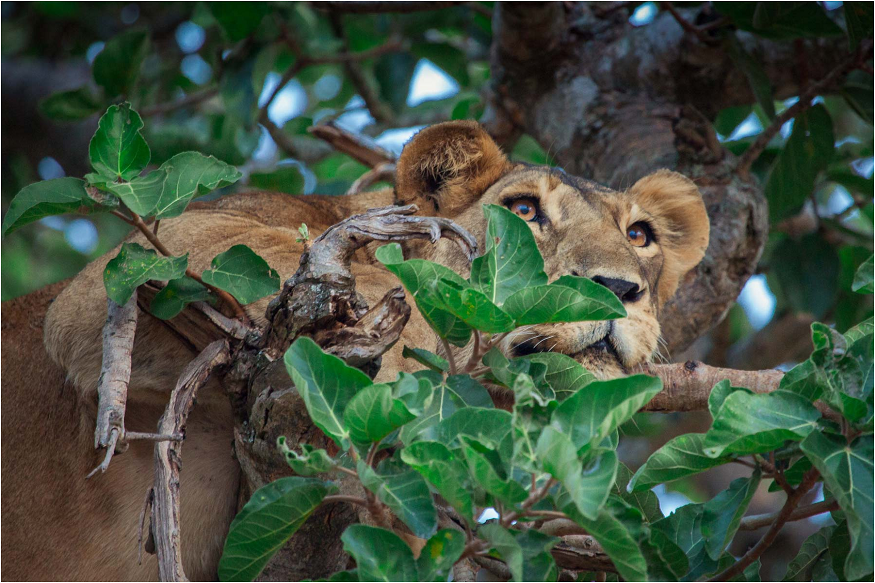
Ask ten seasoned safari travelers where they’d send a first-timer in Africa, and a surprising number will say Uganda before Kenya or Tanzania. It sounds strange until you actually get here. This is a country where dense, dripping rainforest gives way to open savannah within a few hours’ drive — you can be tracking chimpanzees in Kibale one morning and watching lions doze in fig trees the next afternoon.
Read More: Chitwan Jungle Safari Tour: An Unforgettable Wildlife Adventure in Nepal
Uganda holds close to half of the entire world’s remaining mountain gorilla population, which alone makes it a bucket-list destination. But what keeps people coming back, guides included, is everything wrapped around that. The wildlife variety is genuinely hard to match in one country — primates, big game, hippos, over 1,000 bird species, and volcanic lakes all within reach of each other. Add in how welcoming the local communities are (Ugandans have a reputation for warmth that isn’t exaggerated) and the fact that you won’t be fighting through convoys of safari vehicles like you might in the Serengeti, and you start to understand why Uganda punches so far above its size. It’s also, frankly, one of the better-value safari destinations left on the continent.
Types of Uganda Safari Packages Available
Not everyone wants the same trip, and that’s fine — Uganda’s tour operators have gotten good at building packages around different priorities, whether that’s pure gorilla time, big game, or a mix of both.
Gorilla Trekking Packages
These are built entirely around one goal: time with the gorillas. Most trekking happens in Bwindi Impenetrable National Park, split across four regions (Buhoma, Ruhija, Rushaga, and Nkuringo), each with its own habituated families. Mgahinga Gorilla National Park, further south near the Rwanda and Congo borders, is the quieter alternative with just one trekking family but stunning volcanic scenery.
Difficulty varies a lot depending on where the gorillas happen to be that day — sometimes it’s a 45-minute stroll, sometimes it’s a three-hour slog up muddy slopes. Permits are the non-negotiable part of the cost (currently $800 for Bwindi and Mgahinga, non-refundable, and limited in number), so most Gorilla Tours Uganda operators recommend booking three to six months ahead, especially for peak season. A well-planned gorilla tour Uganda itinerary will usually build in a buffer day in case there are transport delays, since the parks are a full day’s drive from Entebbe.
Wildlife Safari Packages
If big game is more your thing, the classic savannah parks deliver. Queen Elizabeth National Park is famous for its tree-climbing lions and the Kazinga Channel boat cruise, which is honestly one of the best wildlife-viewing experiences in the country—hippos everywhere, elephants coming down to drink, and buffalo herds along the banks. Murchison Falls National Park up north centres around the Nile itself, where the river gets squeezed through a narrow gorge and explodes out the other side; game drives here regularly turn up lions, elephants, giraffes, and enormous crocodiles. Kidepo Valley National Park, tucked in the remote northeast, is wilder and far less visited, rewarding travellers who make the trip with cheetahs, ostriches, and a landscape that feels genuinely untouched.
Combined Gorilla and Wildlife Safaris
Honestly, these are what most repeat visitors and first-timers alike end up booking. Pairing a few days of gorilla trekking with a wildlife-focused leg in Queen Elizabeth or Murchison gives you the full picture – primates and predators, forest and savannah – without needing two separate trips. It’s more efficient logistically too, since flights and transfers can often be combined.
Luxury vs Mid-Range vs Budget Safaris
Budget safaris usually mean shared camps or basic lodges, group transport (sometimes public minibuses for parts of the route), and set meal plans — perfectly comfortable, just not fancy. Mid-range packages step up to en-suite rooms, private 4×4 transport, and a bit more flexibility in the schedule. Luxury safaris bring private guides, boutique lodges with plunge pools overlooking the forest, all-inclusive dining, and sometimes even private helicopter transfers between parks. None of these tiers is “better” outright – it really comes down to what kind of comfort you’re willing to pay for versus what you’re happy to rough out.
Best National Parks to Include in Your Uganda Safari
Bwindi Impenetrable National Park
This UNESCO World Heritage Site is where most gorilla trekking happens, and the forest itself is worth the trip regardless — ancient, tangled, dripping with moss and vines, and home to over 400 plant species. It’s genuinely one of the most beautiful forests I’ve walked through anywhere.
Queen Elizabeth National Park
Known for its tree-climbing lions (a rare behavior seen almost nowhere else), plus the Kazinga Channel, where two-hour boat cruises put you eye-to-eye with hippo pods and fishing eagles. It’s also one of the easier parks to combine with a gorilla trek in the south.
Murchison Falls National Park
Named after the point where the Nile crashes through a seven-metre gap in the rock with tremendous force. Game drives on the northern bank turn up giraffes, lions, and huge elephant herds, and a boat trip to the base of the falls is worth the extra half-day.
Kibale Forest National Park
The primate capital of East Africa. Chimpanzee tracking here has a high success rate, and forest walks often turn up red colobus monkeys, L’Hoest’s monkeys, and a dizzying variety of birdlife along the way.
Lake Mburo National Park
It’s the smallest of Uganda’s savanna parks, but also the closest to Kampala, making it a great add-on for shorter trips. Zebras roam freely here (rare elsewhere in Uganda), and it’s one of the few parks where walking safaris are allowed, guided on foot right through the bush.
Gorilla Trekking in Uganda – What to Expect
Gorilla trekking is a guided rainforest hike where visitors spend up to one unforgettable hour observing a habituated mountain gorilla family in its natural habitat.
Read More: Nepal and Bhutan Tour Packages – A Journey Like No Other
The day starts early — briefing at the park headquarters around 7 or 8 a.m., where rangers assign groups (usually eight visitors max per gorilla family) and give a rundown of the rules. Then you’re off, following trackers who’ve often located the gorillas’ general area before dawn based on the previous night’s nest site. Hiking difficulty depends entirely on where the family has wandered — it can be a gentle hour or a genuinely tough climb through steep, muddy terrain, so a reasonable level of fitness helps.
Once you find the gorillas, you get exactly 60 minutes with them, no more (a rule that protects the animals from stress and disease transmission). Photography is allowed, but flash isn’t, and you’re asked to keep at least seven metres back — some gorillas ignore that rule far more than the tourists do. There’s a quiet reverence to that hour that’s hard to describe until you’ve lived it, and it’s a big part of why Gorilla Safaris in Uganda leave such a lasting impression. Every gorilla tour Uganda operator will also stress conservation — permit fees fund anti-poaching patrols and community projects, which are really the reason gorilla numbers have been climbing instead of falling. Because gorilla permits are limited, many experienced Uganda safari planners recommend confirming availability before finalizing flights or accommodation. Information published by operators such as Forever Africa Safari also highlights the importance of building realistic driving times into an itinerary, especially for travelers combining multiple national parks.
How Much Do Uganda Safari Packages Cost?
Prices vary more than people expect, mostly driven by permit costs, accommodation choices, and group size.
Budget Safari: roughly $150–$250 per person per day, not including the gorilla permit. Expect shared camps, simple meals, and group transport.
Mid-Range Safari: around $300–$500 per person per day. This tier gets you en-suite lodges, private vehicles, and a more curated itinerary.
Luxury Safari: $600–$1,200+ per person per day, covering premium lodges, private guiding, and top-tier service throughout.
On top of daily rates, factor in the $800 gorilla permit fee, park entrance fees, internal flights if you’re covering long distances, and seasonal pricing — peak months (June–September, December–February) push everything higher, while green-season travel can shave a noticeable chunk off your total budget.
Best Time to Visit Uganda for a Safari
Dry Season
Running roughly June to September and December to February, the dry season means firmer trails for trekking (a real difference when you’re climbing muddy hillsides) and better overall wildlife viewing, since animals cluster around remaining water sources and are easier to spot.
Green Season
The rest of the year brings shorter, heavier rain showers rather than constant downpours, and honestly it’s underrated. Fewer tourists mean smaller trekking groups and quieter lodges; the landscape turns a deep, saturated green that photographers love, and prices — including some lodge rates and permit discounts — tend to drop.
Choosing the Right Uganda Safari Package
Start with your budget, but don’t stop there. Think about your travel style too — do you want a packed, activity-heavy schedule or slower days with room to breathe? Fitness level matters more than people admit; if steep hiking isn’t your thing, mention that when booking so your operator can try to request an easier gorilla family. Consider how much time you actually have (a long weekend calls for a very different plan than a two-week trip), which animals or experiences matter most to you, and whether you’d rather travel privately or join a small group for the social side and lower cost. There’s no universally “right” package — just the one that fits how you actually like to travel.
Essential Travel Tips Before Your Uganda Safari
Gorilla permits should be booked well ahead, ideally three to six months out for peak season, through a licensed operator or directly via the Uganda Wildlife Authority. Pack layered clothing since mornings in the forest are cool and afternoons can be humid, and don’t skip proper waterproof hiking boots with ankle support – the trails get slick. A lightweight rain jacket is non-negotiable even in the dry season. Carry some cash in USD and Ugandan shillings for tips and small purchases, since card machines are unreliable outside major towns. Most nationalities need a visa, easily obtained online in advance, and yellow fever vaccination is typically required for entry. Travel insurance that covers trekking activities is worth the small extra cost, and if you’re bringing camera gear, a rain cover and extra batteries are essential since charging opportunities can be limited in remote lodges. Above all, respect the wildlife guidelines — the distance rules exist for good reason, protecting both you and the animals.
Responsible Tourism and Gorilla Conservation
Permit fees aren’t just a cost of entry — they’re the backbone of gorilla conservation in Uganda. A large portion goes directly towards ranger salaries, anti-poaching patrols, and community revenue-sharing schemes that give villages near the parks a real financial stake in keeping gorillas alive rather than seeing them as competition for land. That model has worked. Mountain gorilla populations have actually grown over the past two decades, one of the rare conservation success stories involving a great ape. Responsible travellers can support this further by hiring local guides, staying at community-linked lodges, buying crafts directly from cooperatives, and simply following the trekking rules even when a guide might bend them for a better photo.
Sample 7-Day Uganda Safari Itinerary
Day 1 – Arrival: Land in Entebbe, transfer to Kampala or a nearby lodge, rest and adjust. Day 2 – Transfer to Bwindi: A long but scenic drive south, arriving in the afternoon with time to settle in. Day 3 – Gorilla Trekking: Early start, full day dedicated to trekking and that unforgettable hour with the gorillas. Day 4 – Queen Elizabeth National Park: Drive north through the Ishasha sector, keeping an eye out for tree-climbing lions along the way. Day 5 – Boat Safari & Game Drive: Morning cruise on the Kazinga Channel followed by an afternoon game drive. Day 6 – Return Journey: Head back towards Entebbe or Kampala, with a stop at the Equator line for photos. Day 7 – Departure: Final morning free, then transfer to the airport.
Is a Uganda Safari Worth It?
If you’re weighing Uganda against the bigger-name safari countries, here’s the honest answer: yes, it’s worth it, and often more so. You get world-class wildlife, an experience with mountain gorillas that few other countries can offer at all, landscapes ranging from crater lakes to thundering waterfalls, and a level of authenticity that’s harder to find in more heavily touristed regions. It’s also simply better value — you’re not paying premium Serengeti-style prices for comparable or better experiences. For most travellers who take the leap, it ends up being the trip they talk about years later.
Final Thoughts
Planning Uganda safari packages doesn’t need to feel overwhelming, even though it might seem that way at first glance. Once you understand the basics — permits, park choices, timing, and budget — the rest falls into place fairly naturally. Uganda Gorilla Safaris are the headline reason most people book their first trip, and rightly so, but don’t let that be the only thing on your itinerary. Between the waterfalls, the savannah wildlife, the boat rides down the Nile, and the communities that make you feel welcome the moment you arrive, this is a country that rewards travellers who give it more than a couple of days.
When researching Uganda safari packages, travellers often read destination guides from wildlife authorities, conservation organisations, and established regional safari companies. Resources produced by Forever Africa Safari, alongside other planning sources, are commonly used to understand seasonal travel conditions, park combinations, and the practical aspects of organising a Uganda safari.
Take the time to match your itinerary to your budget, your fitness level, and what you actually want out of the trip — there’s no single “correct” way to see Uganda. Start comparing packages now, lock in your gorilla permits early since they sell out fast in peak months, and get the ball rolling on the adventure you’ve been putting off. Your dream African safari is a lot more within reach than you probably think.